18 best books like Harry Potter for adults to read now – Tolstoy Therapy

https://tolstoytherapy.com/books-like-harry-potter-for-adults/

20 of the Most Thought-Provoking, Philosophical Science Fiction Books of All Time

https://bookriot.com/philosophical-science-fiction-books/

From Punchline to Protagonist: Black Horror and the Monsters Who Hunt ‹ CrimeReads

https://crimereads.com/from-punchline-to-protagonist-black-horror-and-the-monsters-who-hunt/

8 Hidden Gem Books That You Should Read!

https://booksofbrilliance.com/2023/09/08/8-hidden-gem-books-that-you-should-read/

The 25 Must Read Horror Books of All Time

https://booksofbrilliance.com/2023/09/04/the-25-must-read-horror-books-of-all-time/

World Book Day 2023: Celebrating Literature and the Joy of Reading

https://nationaltoday.com/world-book-day/

The Origin of Romance: A Look Back at the First Romance Novel Ever Written

As one of the most popular and enduring genres in literature, romance novels have captured the hearts and minds of readers for centuries. These books offer an escape from reality, allowing readers to experience passionate love stories and embark on emotional journeys with their favorite characters. In this blog post, we’ll delve into the fascinating history of romance literature, exploring the very first romance novel ever written – “Pamela; or, Virtue Rewarded” by Samuel Richardson.

The Birth of Romance: Samuel Richardson’s “Pamela”

Published in 1740, “Pamela; or, Virtue Rewarded” is widely considered the first true romance novel. Samuel Richardson, an English printer and writer, pioneered the epistolary form in this groundbreaking work, which tells the story of a young servant girl, Pamela Andrews, and her employer, Mr. B.

Set in 18th-century England, the novel unfolds through a series of letters written by Pamela to her parents, detailing her experiences and the challenges she faces in her life. The story revolves around the theme of virtue being rewarded, as Pamela’s unwavering integrity and goodness ultimately lead to her finding true love and happiness.

A Tale of Love, Virtue, and Social Commentary

While the main focus of “Pamela” is the romance between the titular character and her employer, the novel also serves as a critical commentary on the social norms and expectations of the time. Richardson portrays the struggle for personal autonomy, gender roles, and the class divide in a society that often prioritized wealth and status over character and virtue.

As Pamela resists Mr. B’s advances, she becomes a symbol of moral strength and steadfastness in the face of adversity. Her journey from a vulnerable servant girl to a strong, independent woman reflects the transformative power of love, offering readers an inspiring and compelling story that still resonates today.

The Impact of “Pamela” on Romance Literature

“Pamela” was an instant success upon its publication, sparking a flurry of debate and discussion among the public. Its popularity led to numerous sequels, imitations, and parodies, effectively establishing the romance genre as a force to be reckoned with in the literary world. The novel’s innovative epistolary format inspired future romance authors, such as Jane Austen and Charlotte Brontë, who also used letters to convey the emotional depth and complexity of their characters.

The Legacy of the First Romance Novel

Today, the romance genre has grown and diversified, offering readers a vast array of subgenres and themes to explore. From historical romances to contemporary love stories, paranormal romances to romantic suspense, the genre has something for everyone. However, the legacy of “Pamela; or, Virtue Rewarded” endures, reminding us of the genre’s humble beginnings and the enduring appeal of a well-told love story.

Samuel Richardson’s “Pamela; or, Virtue Rewarded” laid the foundation for the romance genre that we know and love today. The novel’s captivating narrative, compelling characters, and insightful social commentary have made it a classic that continues to captivate readers. As we celebrate the origins of romance literature, we are reminded of the timeless allure of a story that captures the essence of love, passion, and the indomitable human spirit.

Bookaholik4ever

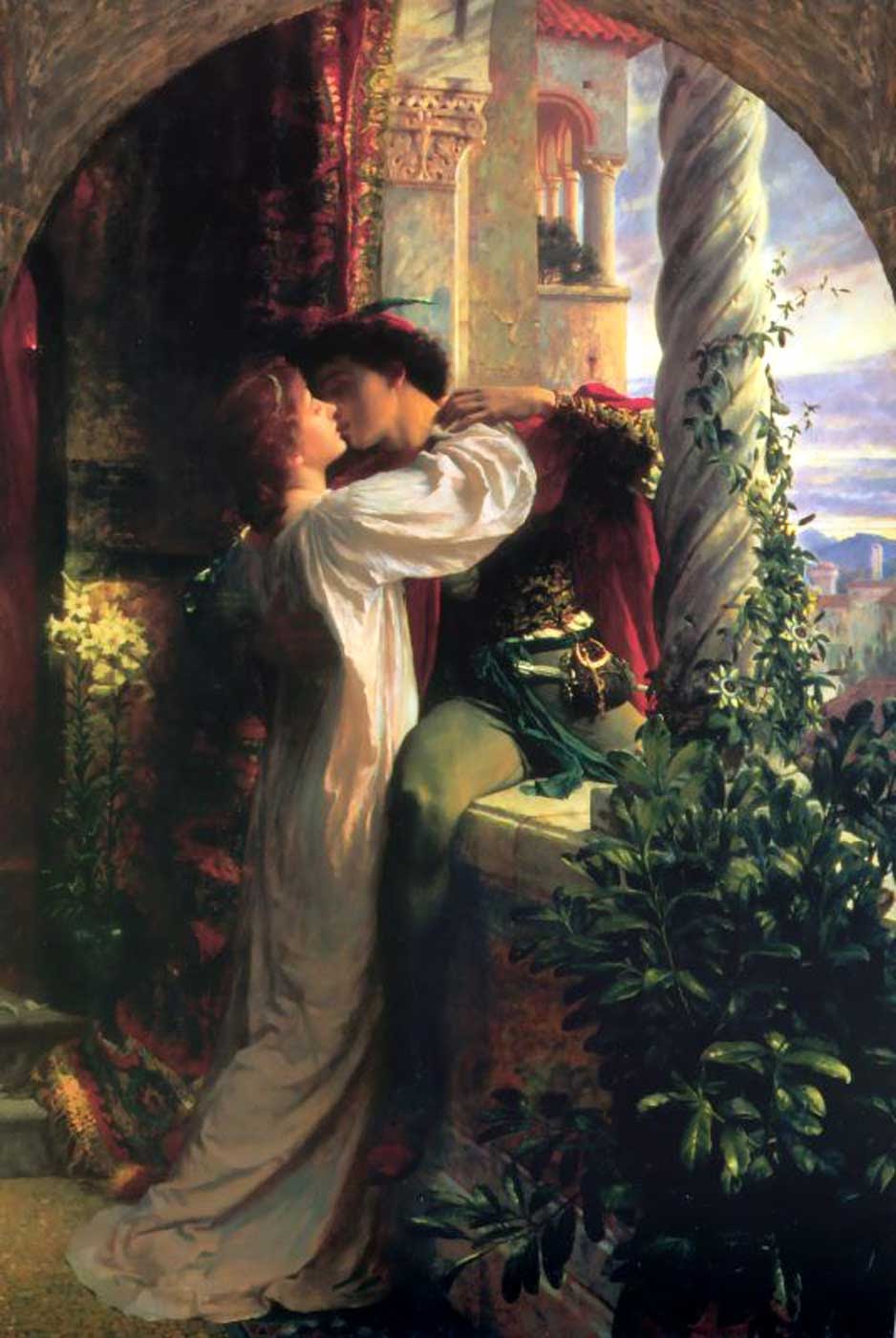
Picture: Romeo and Juliet by Sir Frank Dicksee, used from Google Search

Book Publishers Won’t Stop Until Libraries Are Dead | Techdirt

https://www.techdirt.com/2023/03/22/book-publishers-wont-stop-until-libraries-are-dead/

Ebook vs Audiobook

In recent years, there has been a growing debate over the benefits of reading eBooks versus listening to audiobooks. While both formats offer unique advantages, the choice ultimately depends on individual preferences and needs.

First, let’s discuss the benefits of eBooks. One of the most significant advantages of eBooks is their convenience. With an eBook, you can carry an entire library on a single device, making it easy to access your favorite titles wherever you go. Additionally, eBooks are often more affordable than physical books, and many public libraries offer free digital borrowing programs, making it easy to access a wide variety of titles at a low cost.

Another advantage of eBooks is the ability to customize your reading experience. With features like adjustable font size, font style, and lighting, you can tailor your reading experience to your specific needs and preferences. Additionally, eBooks often offer built-in dictionaries and search functions, making it easy to quickly look up unfamiliar words or phrases.

On the other hand, audiobooks offer a unique listening experience that many readers enjoy. Audiobooks are great for people who are always on the go or have busy schedules, as they can be listened to while commuting, exercising, or doing household chores. They also offer a hands-free experience, allowing you to multitask while enjoying your favorite book.

Audiobooks are also an excellent option for those struggling with reading or visual impairments. By listening to an audiobook, readers can still access the content of a book, even if they have difficulty reading traditional printed text.

While audiobooks offer unique benefits, there are also some potential drawbacks. Audiobooks can be more expensive than eBooks, and the selection may be more limited. Additionally, some readers may find it difficult to stay focused while listening and may miss details or nuances that they would pick up while reading.

In conclusion, the choice between eBooks and audiobooks ultimately depends on personal preferences and needs. Both formats offer unique advantages and disadvantages, and it’s up to each individual reader to decide which one is the best fit for them. Whether you prefer the convenience and customization of eBooks or the hands-free experience of audiobooks, there’s no denying that both formats offer a wealth of options for book lovers everywhere.

Bookaholik4ever

Photo by Joyce Busola from Unsplash

The First African American to Win a Noble Prize for Literature

In 1993, the Nobel Prize for Literature was awarded to Toni Morrison, making her the first African American to receive the prestigious award. Morrison’s contributions to American literature were significant and impactful, and her work has had a lasting influence on the literary world.

Born in Ohio in 1931, Morrison grew up in a family that valued education and storytelling. She attended Howard University, where she studied English and developed a deep interest in African American culture and history. After graduation, she worked as an editor for a textbook publisher and then as an editor for Random House, where she played a key role in promoting African American literature.

Morrison’s literary career began in earnest in 1970 with the publication of her first novel, “The Bluest Eye.” The book tells the story of a young African American girl named Pecola who longs for blue eyes, believing that this would make her beautiful and loved. The novel explores themes of race, identity, and self-worth, and was widely praised for its raw honesty and poetic language.

Morrison’s subsequent novels continued to explore the experiences of African Americans, particularly women, in the United States. “Sula” (1973) tells the story of two childhood friends who take very different paths in life, while “Song of Solomon” (1977) follows a young man’s journey of self-discovery as he explores his family’s history. Morrison’s novels are known for their complex characters, rich symbolism, and powerful storytelling.

In addition to her novels, Morrison also wrote essays, plays, and children’s books. Her nonfiction work includes “Playing in the Dark: Whiteness and the Literary Imagination” (1992), a groundbreaking analysis of the ways in which white American writers have represented African Americans in their work.

Morrison’s Nobel Prize win in 1993 was a significant moment in American literary history. She was only the eighth woman to receive the prize, and the first African American. In her acceptance speech, she spoke about the power of language and the responsibility of writers to tell the truth. She said, “We die. That may be the meaning of life. But we do language. That may be the measure of our lives.”

Morrison continued to write and teach throughout her career, and she remained a powerful voice in American literature until her death in 2019. Her work has inspired generations of writers and readers, and her legacy continues to shape the literary landscape today.

Bookaholik4ever

Picture credit: NoblePrize.org