NATIONAL FAMILY LITERACY DAY – November 1, 2023 – National Today

https://nationaltoday.com/national-family-literacy-day/

The Uncharted Realms of Black Speculative Fiction

Hello, fellow Bookaholiks! Today, we’re diving into the captivating world of Black speculative fiction—a genre that not only entertains but also educates, enlightens, and empowers. If you’re like me, you relish in the possibilities that speculative fiction offers. And if you’re curious about how the African diaspora shapes these narratives, then grab your cup of tea, coffee, or wine if you’re so inclined, and let’s dig in!

What is Black Speculative Fiction?

At its core, speculative fiction is a genre that explores imaginative, futuristic, and fantastical worlds. It often includes sub-genres like science fiction, fantasy, horror, and alternative history. But what sets Black speculative fiction apart? It’s the genre’s dedication to addressing the Black experience—cultural, historical, and social—within these imaginary landscapes.

Black speculative fiction is a sub-genre that places Black characters front and center in narratives that are often rich in African mythology, folklore, and spirituality. It serves as a mirror reflecting societal issues such as racism, inequality, and identity, all while enveloping readers in riveting tales of dystopian futures or magical realism.

Notable Authors

It wouldn’t be fair to explore this genre without mentioning some trailblazers. Octavia Butler, for instance, is often hailed as the Queen of Black Speculative Fiction. Her works, such as “Kindred” and the “Patternist” series, intricately weave social commentary with elements of the fantastical.

N.K. Jemisin, another remarkable talent, has won multiple Hugo Awards for her “Broken Earth” trilogy, a seismic story set in a world grappling with apocalyptic disasters and racial discrimination. These authors bring their unique perspectives into a genre that has historically been dominated by white voices.

Why Does it Matter?

It’s more than just stories. Black speculative fiction serves as a powerful platform to tackle complex issues that might be uncomfortable to discuss in more conventional contexts. It allows the African diaspora to reclaim their narratives and paint their hopes, fears, and dreams onto a boundless canvas.

In a genre that often revolves around exploring the unknown, the infusion of Black voices adds an extra layer of complexity and richness. It creates a space where Black readers can see themselves as the heroes, the explorers, or the revolutionaries, breaking away from the stereotypical roles that are often assigned to them in mainstream media.

Conclusion

Black speculative fiction is not just a sub-genre; it’s a cultural treasure that resonates with the lived experiences of Black individuals across the globe. It serves as an insightful lens, offering us perspectives that are as diverse as they are engaging.

So if you’re looking to expand your reading list or simply explore new worlds through a different set of eyes, Black speculative fiction is a landscape teeming with uncharted potential. As a fan of horror, I must say the genre also delivers some hair-raising, spine-tingling narratives that’d be a great addition to your collection.

If you’ve got any book recommendations in this genre, or if you’d like to discuss this topic further, feel free to drop a comment. Let’s keep the conversation going!

Happy reading! Tonya-Bookaholk4ever

Image: “Warlock” illustrated by Sergy Kondratovich on Artstation.com

The Origin of Romance: A Look Back at the First Romance Novel Ever Written

As one of the most popular and enduring genres in literature, romance novels have captured the hearts and minds of readers for centuries. These books offer an escape from reality, allowing readers to experience passionate love stories and embark on emotional journeys with their favorite characters. In this blog post, we’ll delve into the fascinating history of romance literature, exploring the very first romance novel ever written – “Pamela; or, Virtue Rewarded” by Samuel Richardson.

The Birth of Romance: Samuel Richardson’s “Pamela”

Published in 1740, “Pamela; or, Virtue Rewarded” is widely considered the first true romance novel. Samuel Richardson, an English printer and writer, pioneered the epistolary form in this groundbreaking work, which tells the story of a young servant girl, Pamela Andrews, and her employer, Mr. B.

Set in 18th-century England, the novel unfolds through a series of letters written by Pamela to her parents, detailing her experiences and the challenges she faces in her life. The story revolves around the theme of virtue being rewarded, as Pamela’s unwavering integrity and goodness ultimately lead to her finding true love and happiness.

A Tale of Love, Virtue, and Social Commentary

While the main focus of “Pamela” is the romance between the titular character and her employer, the novel also serves as a critical commentary on the social norms and expectations of the time. Richardson portrays the struggle for personal autonomy, gender roles, and the class divide in a society that often prioritized wealth and status over character and virtue.

As Pamela resists Mr. B’s advances, she becomes a symbol of moral strength and steadfastness in the face of adversity. Her journey from a vulnerable servant girl to a strong, independent woman reflects the transformative power of love, offering readers an inspiring and compelling story that still resonates today.

The Impact of “Pamela” on Romance Literature

“Pamela” was an instant success upon its publication, sparking a flurry of debate and discussion among the public. Its popularity led to numerous sequels, imitations, and parodies, effectively establishing the romance genre as a force to be reckoned with in the literary world. The novel’s innovative epistolary format inspired future romance authors, such as Jane Austen and Charlotte Brontë, who also used letters to convey the emotional depth and complexity of their characters.

The Legacy of the First Romance Novel

Today, the romance genre has grown and diversified, offering readers a vast array of subgenres and themes to explore. From historical romances to contemporary love stories, paranormal romances to romantic suspense, the genre has something for everyone. However, the legacy of “Pamela; or, Virtue Rewarded” endures, reminding us of the genre’s humble beginnings and the enduring appeal of a well-told love story.

Samuel Richardson’s “Pamela; or, Virtue Rewarded” laid the foundation for the romance genre that we know and love today. The novel’s captivating narrative, compelling characters, and insightful social commentary have made it a classic that continues to captivate readers. As we celebrate the origins of romance literature, we are reminded of the timeless allure of a story that captures the essence of love, passion, and the indomitable human spirit.

Bookaholik4ever

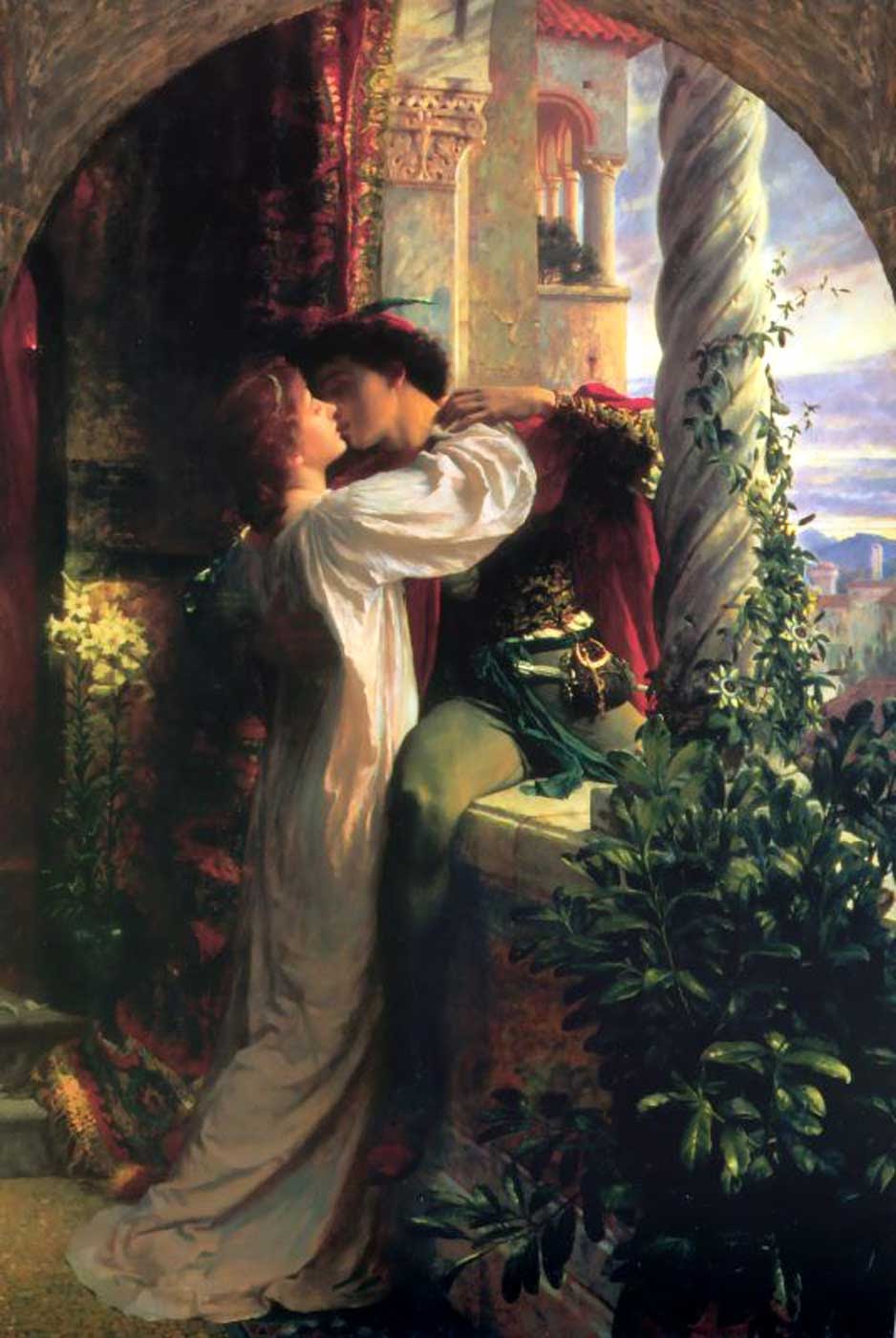
Picture: Romeo and Juliet by Sir Frank Dicksee, used from Google Search

Barnes & Noble is Evolving

Considered the First African American Sci-Fi Author: Octavia E. Butler

In the world of science fiction, there have been many pioneers who have pushed the boundaries of imagination and challenged the status quo. One such pioneer was Octavia Butler, the first African American science fiction author. Butler’s work has had a significant impact on the science fiction genre and her legacy continues to inspire a new generation of writers and readers.

Butler was born on June 22, 1947, in Pasadena, California. Her father passed away when she was young, and she was raised by her mother, who worked as a domestic servant. Butler was an introverted child and found solace in books, particularly science fiction. She began writing at a young age and continued to hone her craft throughout her teenage years.

In 1976, Butler published her first novel, “Patternmaster,” which was set in a dystopian future where a group of telepathic humans, called Patternists, ruled over the rest of humanity. The book was a critical success and was followed by a series of novels set in the same universe.

Butler’s writing tackled a wide range of social issues, including race, gender, and sexuality. Her work was both imaginative and thought-provoking, and she was known for her strong and complex characters. In her 1984 novel, “Kindred,” Butler explored the history of slavery in the United States by sending her modern-day protagonist back in time to experience life as a slave.

Throughout her career, Butler received numerous accolades for her work. She won the Hugo Award and the Nebula Award, two of the most prestigious awards in science fiction, multiple times. She was also the first science fiction writer to receive a MacArthur Foundation “genius” grant.

Butler’s work has been recognized not only for its literary value but also for its cultural importance. She broke down barriers in the science fiction genre, which had been largely dominated by white male authors. Her success helped to pave the way for other marginalized writers and showed that science fiction could be a vehicle for exploring complex social issues.

Sadly, Butler passed away in 2006, but her legacy continues to inspire new generations of writers and readers. In 2020, her novel “Kindred” was adapted into a graphic novel, and her work continues to be widely read and celebrated.

In conclusion, Octavia Butler was a pioneer in the science fiction genre and the first African American author to achieve significant success in this field. Her work challenged conventional ideas and expanded the scope of what science fiction could achieve. Her influence continues to be felt today, and she will always be remembered as a visionary author who helped to shape the genre.

“In order to rise from its own ashes, a Phoenix first must burn.”

Octavia E. Butler

Bookaholik4ever

The Evolution of the Vampire in Books

Vampires have long been a popular subject in literature, with their mysterious and seductive nature captivating readers for centuries. While the vampire as we know it today is often associated with Bram Stoker’s 1897 novel “Dracula,” the literary evolution of the vampire can be traced back much further.

In the early 19th century, Lord Byron wrote the poem “The Giaour,” which featured a vampire-like creature. This poem, along with other Gothic works of the time, helped to popularize the idea of the undead creature that fed on the blood of the living.

But it wasn’t until John Polidori’s “The Vampyre,” published in 1819, that the vampire became a truly popular literary figure. The story follows Lord Ruthven, a mysterious and charismatic nobleman who is actually a vampire. Ruthven’s character became a template for future vampire characters, and “The Vampyre” helped to establish many of the tropes and conventions that would become associated with vampire literature.

As the 19th century progressed, the vampire continued to appear in various works of literature. Sheridan Le Fanu’s “Carmilla” (1872) featured a female vampire who preyed on young women, while J. Sheridan Le Fanu’s “Varney the Vampire” (1845-47) was a serialized story that introduced many of the themes and motifs that would later appear in Stoker’s “Dracula.”

However, it was Stoker’s novel that truly cemented the vampire as a popular literary figure. “Dracula” was an immediate sensation when it was published in 1897, and it has remained one of the most enduring and influential works of vampire literature. The novel introduced many of the elements that we now associate with vampires, such as their aversion to sunlight and their ability to transform into bats.

After “Dracula,” the vampire continued to evolve in literature. In the 20th century, Anne Rice’s “The Vampire Chronicles” (1976-2003) and Stephenie Meyer’s “Twilight” series (2005-2008) both offered new interpretations of the vampire mythos. Rice’s vampires were sophisticated and philosophical creatures, while Meyer’s were romanticized and geared towards a young adult audience.

In recent years, vampires have continued to appear in various forms of media, from television shows like “True Blood” and “The Vampire Diaries” to the video game series “Castlevania.” However, the vampire’s literary roots continue to inspire new works of fiction.

In conclusion, the evolution of the vampire in literature is a fascinating one, with each new author adding their own unique twist to the classic mythology. From Lord Byron’s “The Giaour” to Bram Stoker’s “Dracula” and beyond, the vampire has remained a captivating and enduring figure in literature.

Bookaholik4ever

NATIONAL BLACK LITERACY DAY – February 14, 2023 – National Today

https://nationaltoday.com/national-black-literacy-day/

INTERNATIONAL BOOK GIVING DAY – February 14, 2023 – National Today

https://nationaltoday.com/international-book-giving-day/

Oprah Reveals the 7 Books That Help Her Through Difficult Times

https://www.oprahmag.com/entertainment/books/a34473594/oprah-books-tough-times-list/

Best Horror and Thriller from The Shades of Orange YouTube Channel

I really love her channel, if you have time go and check her channel out!!